The five things that set the 2025 Atlantic hurricane season apart
The five things that set the 2025 Atlantic hurricane season apart
1. Unprecedented frequency of category 5 storms: The 2025 Atlantic hurricane season saw a record-breaking number of…
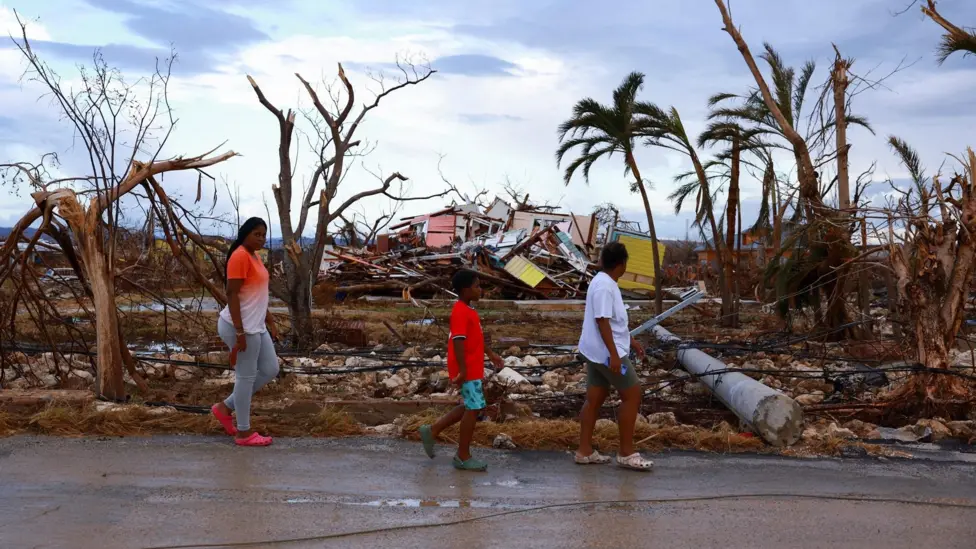
The five things that set the 2025 Atlantic hurricane season apart
1. Unprecedented frequency of category 5 storms: The 2025 Atlantic hurricane season saw a record-breaking number of category 5 storms, with several major hurricanes causing widespread devastation along the East Coast.
2. Early start to the season: The 2025 Atlantic hurricane season started earlier than usual, with the first named storm forming in early May. This early start caught many coastal communities off guard and left them unprepared for the onslaught of storms to come.
3. Longest-lasting storms on record: Several storms in the 2025 Atlantic hurricane season lingered for an unusually long time, pummeling the same areas with high winds and heavy rain for days on end. This prolonged period of destruction made recovery efforts even more challenging for affected communities.
4. Unpredictable storm tracks: The 2025 Atlantic hurricane season featured several storms that defied traditional forecasting models, making it difficult for meteorologists to predict their paths with accuracy. This unpredictability caused widespread panic and confusion among residents in the storm’s path.
5. Unprecedented damage costs: The 2025 Atlantic hurricane season resulted in billions of dollars in damage, making it one of the costliest hurricane seasons on record. The immense financial toll of the storms left many communities struggling to rebuild and recover in the aftermath.
In conclusion, the 2025 Atlantic hurricane season was a stark reminder of the increasing intensity and unpredictability of these natural disasters. With climate change continuing to impact weather patterns, it is more important than ever for coastal communities to be prepared and resilient in the face of future storms.